Delta's First Sports Conference: The launch of a new trust-wide Sporting Pathways strategy
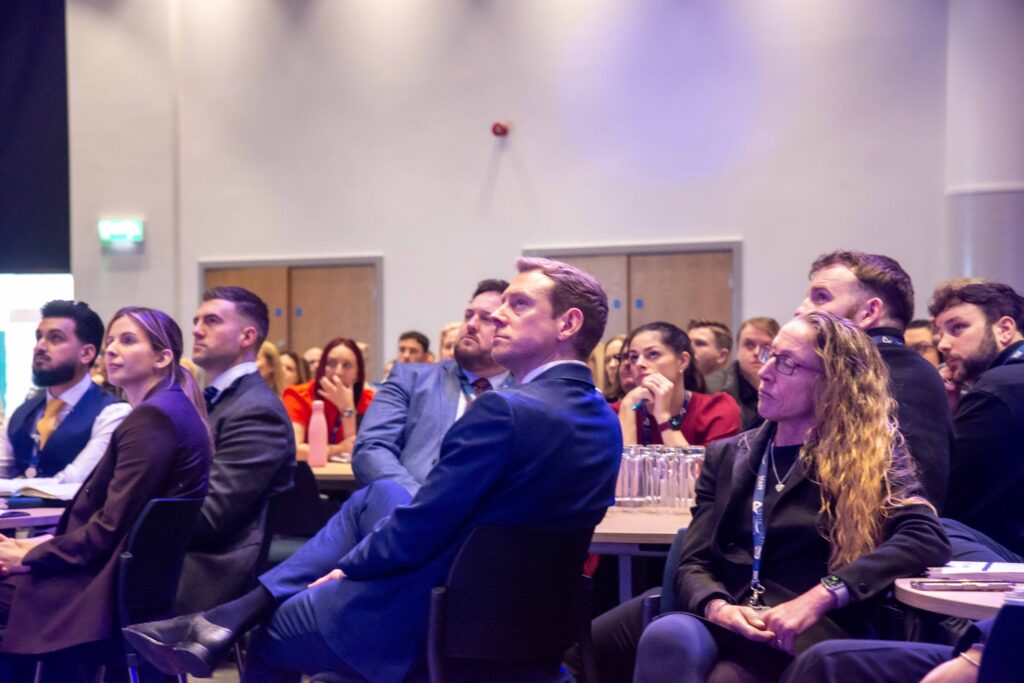
January 20th 2026 brought us our first ever Delta Sports Conference to aid the launch of our new sports strategy. Every academy across the trust was represented by Principals, Heads of Academy, Heads of PE, Sports Coordinators and more. With a variety of speakers both from within the Trust and external partners, it was truly a day for everyone to come together and discuss the benefits of making sport equal for everyone.
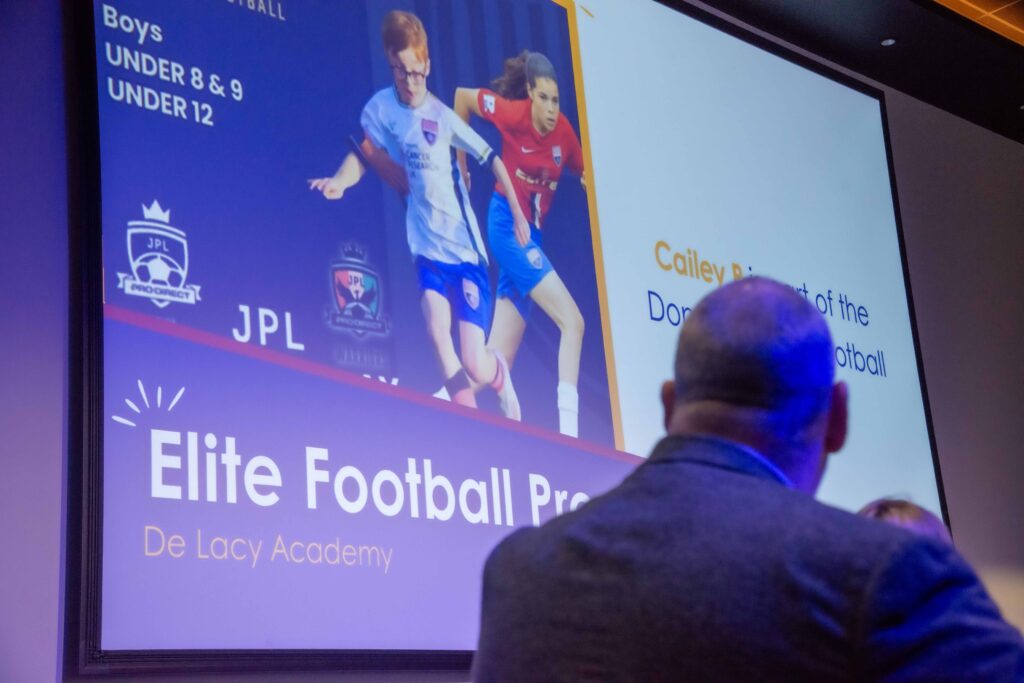
Richard Brooke, Executive Principal, launched the new sports strategy that will see pupils and students across the trust benefit from further opportunities to develop their knowledge, skills and experience in sport and more importantly, will support our colleagues to foster a culture of participation, inclusion and fun. The ‘Sporting Pathways’ pyramid shows the different levels to sport across the Trust, with the main focus of the launch being ‘Enjoy’ and ‘Learn’.
Celebrating Sporting Successes
To kick off the conference, we shared a series of sporting achievements from across the Trust, shining a light on the talented students and pupils in our academies, reminding us that we have some extraordinarily talented athletes in our school communities. Celebrations mentioned in this showcase included:
- Regional Champions across various sports
- England U14 Basketball representatives
- Scholarships for teams such as Leeds Rhinos
- Representation at Region and National competitions
The Vision – Andy Barnett, CEO
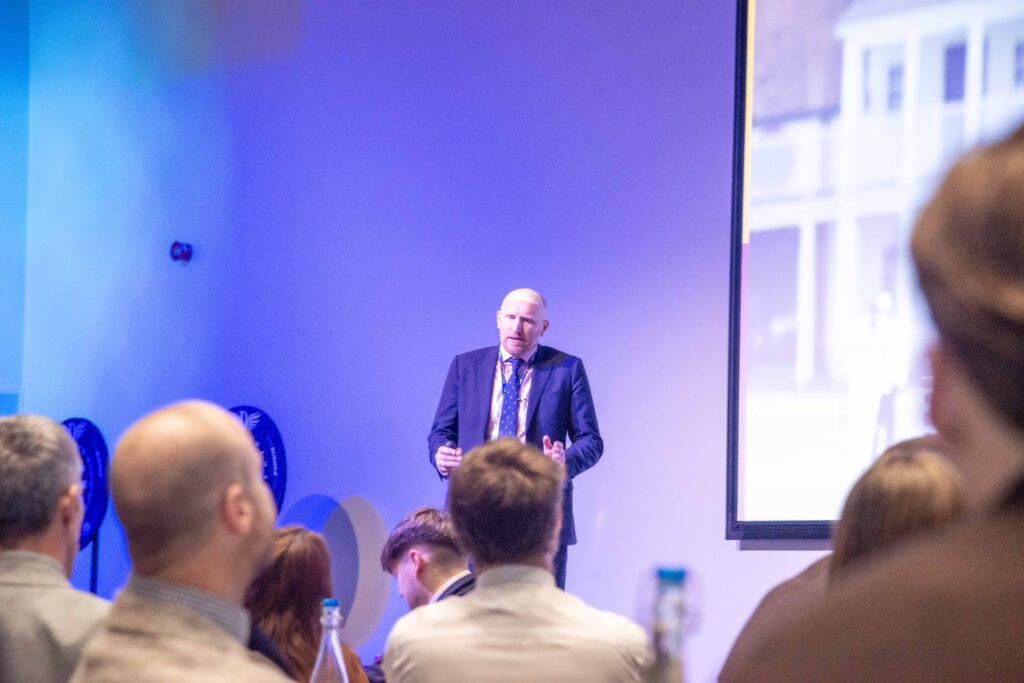
Andy Barnett, CEO, discussed the vision and aim of the Sporting Pathways strategy and the purpose of the conference.
The vision behind the strategy, which was a huge focus and referenced throughout the day is “disrupting the system”.
Andy said, “This is not just about medals, it is about building healthy, active young people who are ready to lead!”
We discussed opportunities for our students outside of the classroom such as Dallowgill Environmental Education Centre, which focuses on helping teach our primary pupils life skills while also supporting smaller DofE expeditions, and Patterdale, which is on track to open in September 2026, and will provide even more space for DofE expeditions in the Silver and Gold bracket, as well as sports such as canoeing, sailing, abseiling and even more!
Key focus points discussed throughout the conference, evidencing our commitment to the new Sporting Pathways strategy, promised that this strategy is not about ‘OR’, it’s an ‘AND’ signifying that we will no lose focus on what we already do so well, this is an added extra. Commitment to the strategy included discussion around:
- Further investment in facilities and kit
- Irradicate sport poverty
- No student to be disadvantaged by lack of opportunity, resources and equipment
- Ensure inclusivity to guarantee that all students enjoy sport
- Be more efficient by moving from a local offer to a trust offer
Unlocking Potential – Jason Robinson, OBE, Founder of Jason Robinson Foundation
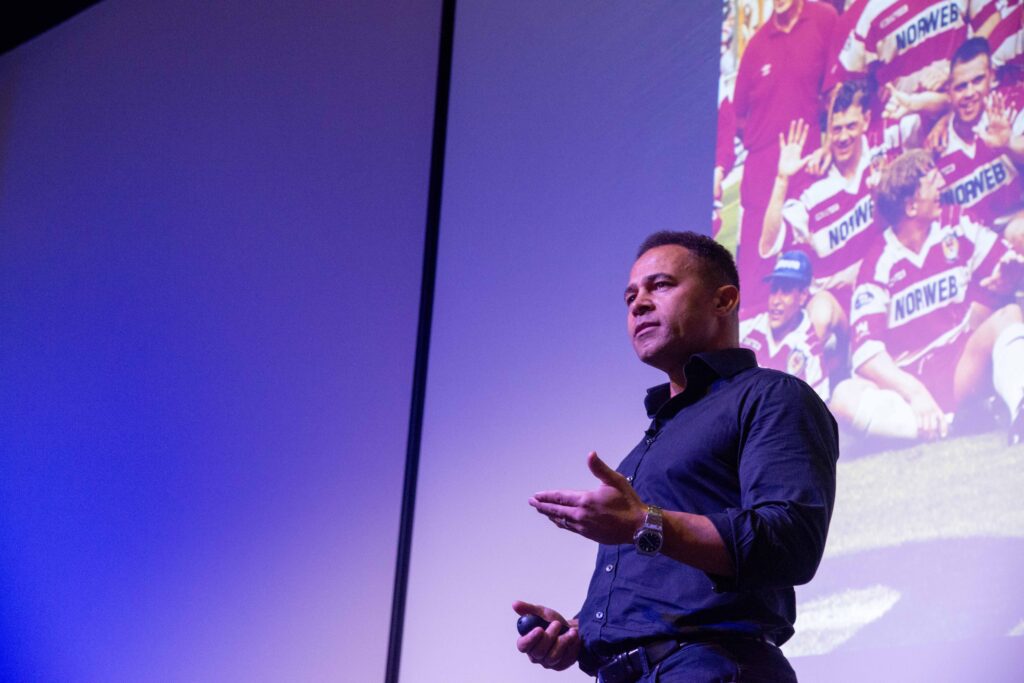
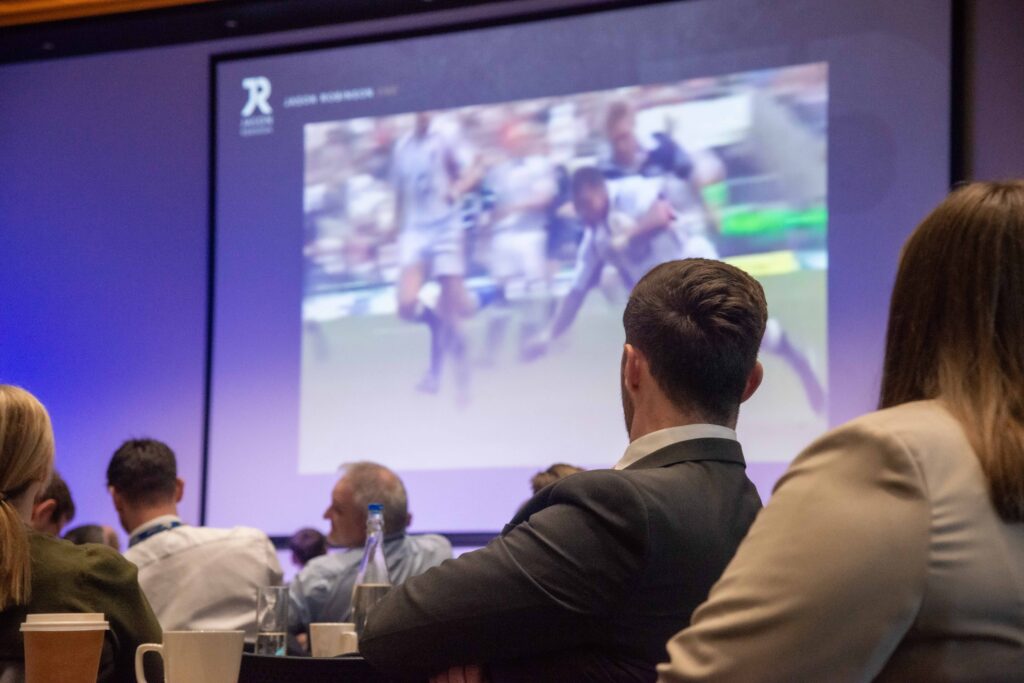
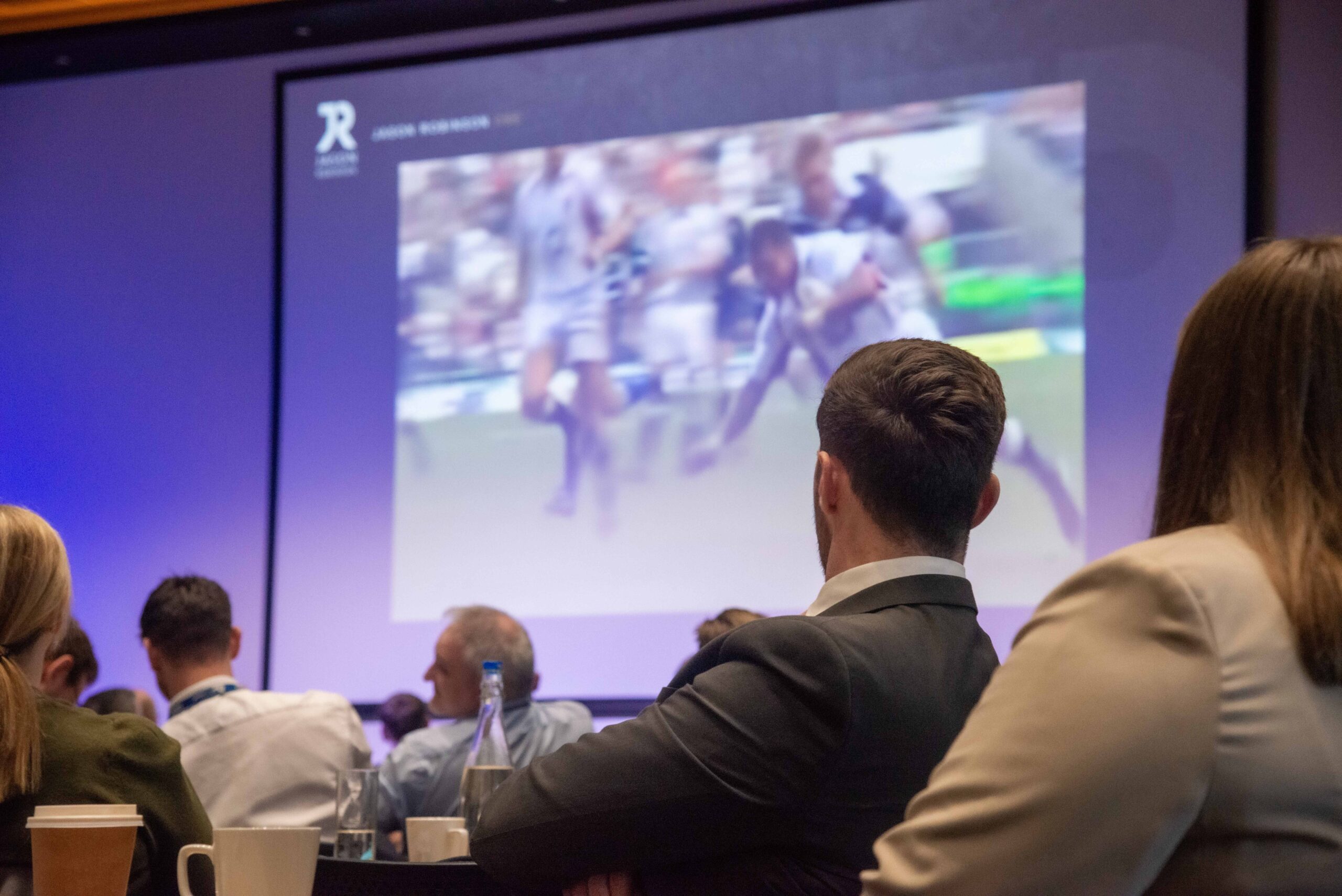
Jason Robinson OBE, our key not speaker, shared his journey from a challenging childhood to sporting success, reflecting on how a teacher inspired him and positively impacted his life. Growing up on a council estate in Leeds, moving out at 16, and later becoming a legend in both rugby codes, and ultimately becoming a Rugby World Cup winner, Jason’s story reinforced a powerful message echoed throughout the day: that every child has the potential to be whoever they want to be.
Jason also spoke about the Jason Robinson Foundation, the non-profit organisation he founded to help remove barriers to participation in sports by providing children with sports kits, food, and access to sporting opportunities, regardless of background. The video below shows a recent visit by Jason and his team to Pheasant Bank, one of our academies, highlighting the positive impact of this work in action.
Jason remained with us throughout the conference, taking time to engage with a group of students from Rossington All Saints Academy and observe demonstrations of specialist sports equipment provided by TFC. We are proud to now be working in partnership with Jason through the Jason Robinson Foundation, continuing to support academies across the Trust in developing pupils’ confidence, ambition, and sporting potential.
Our Partnership with the Jason Robinson Foundation
Next Steps in Secondary – Richard Brooke, Executive Principal
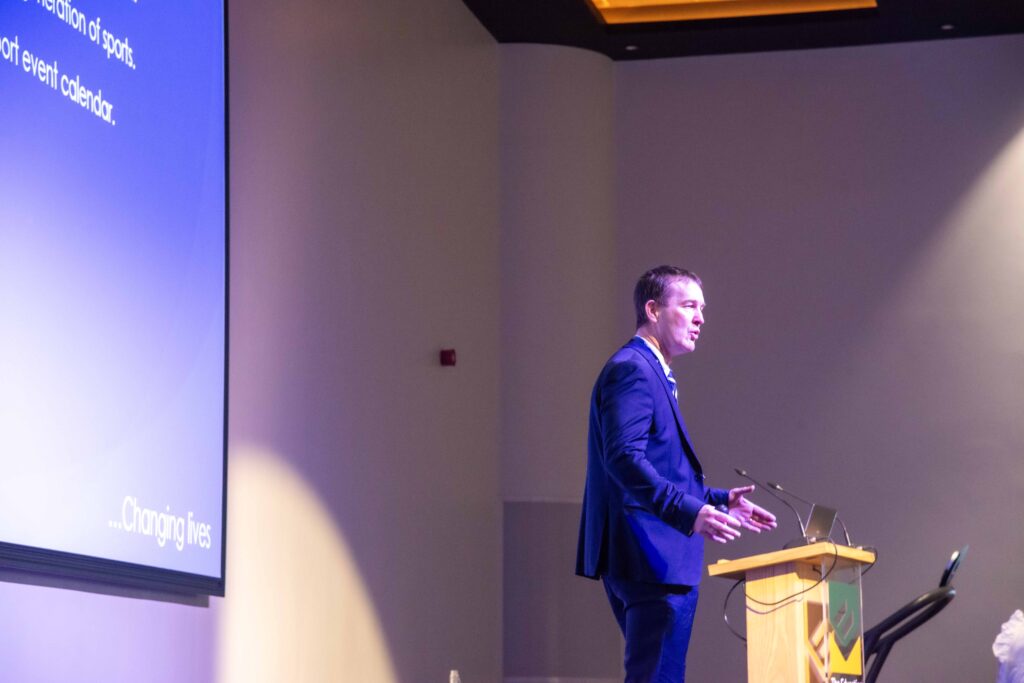
Following the first break of the day, Richard Brooke discussed the next steps for sports in Secondary.
He broke down the words surrounding the new Sporting Pathways strategy (Opportunity, Participation & Development) and what that might look like for our pupils and students moving forwards.
Aligning the curriculum across the Trust and focusing on the KS3 timetables will allow for cross-academy collaboration. Alongside this an audit of all of current resources, facilities and expertise across the Trust (with the intent to then invest in missing sports equipment, facilities and resources), will ensure we are organised and efficient in delivery. Academy representatives were excited when Richard organised our academies into sports regions (4 secondary groups & 7 primary groups), encouraging mixed academy teams to play against other regions in Delta.
By the end of this session, it was revealed that the first generation sports for this new strategy are rugby union and table tennis, with plans to include more sports over time. In addition, plans were also revealed for regional competitions as well as national and international sports tours in the near future.
Apex Rugby Festival – Joe Lydon
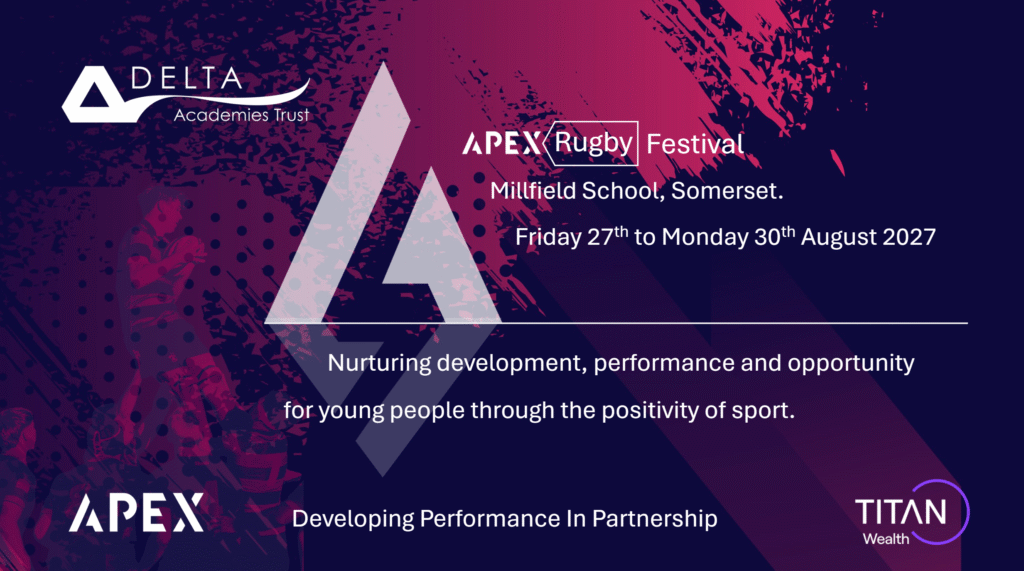
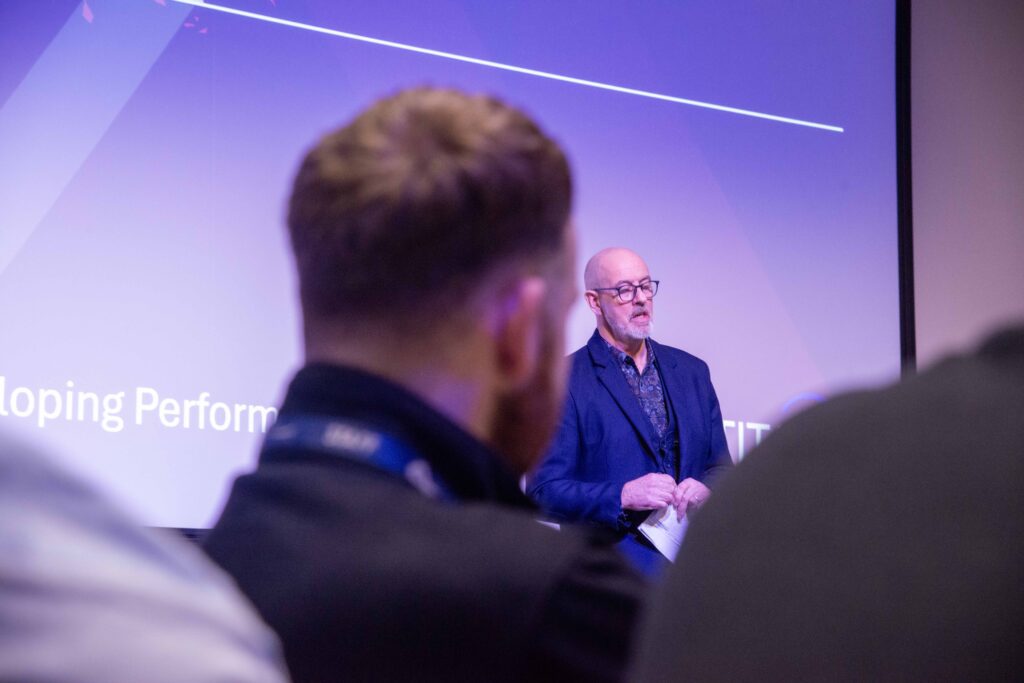
During the conference, we also got the chance to hear Joe Lydon talk about a huge opportunity for students across the Trust.
In Summer 2027, APEX will be hosting a Rugby Festival at Millfield School in Somerset, where two Delta teams (1 x boys and 1 x girls) will attend and represent our Trust . The teams will be collated from across the Trust, giving everyone an opportunity to attend the event.
Next Step in Primary – Tom Herrick, Head of Academy, Macaulay
Tom Herrick lead the next session on what next steps looks like for our primary academies.
He talked about the current state of Primary PE across the nation. Information from Youth Sport Trust Annual Report 2025 shows:
- 2.2 million children are doing less than 30 minutes of physical activity a day
- Poor physical development is impacting school readiness
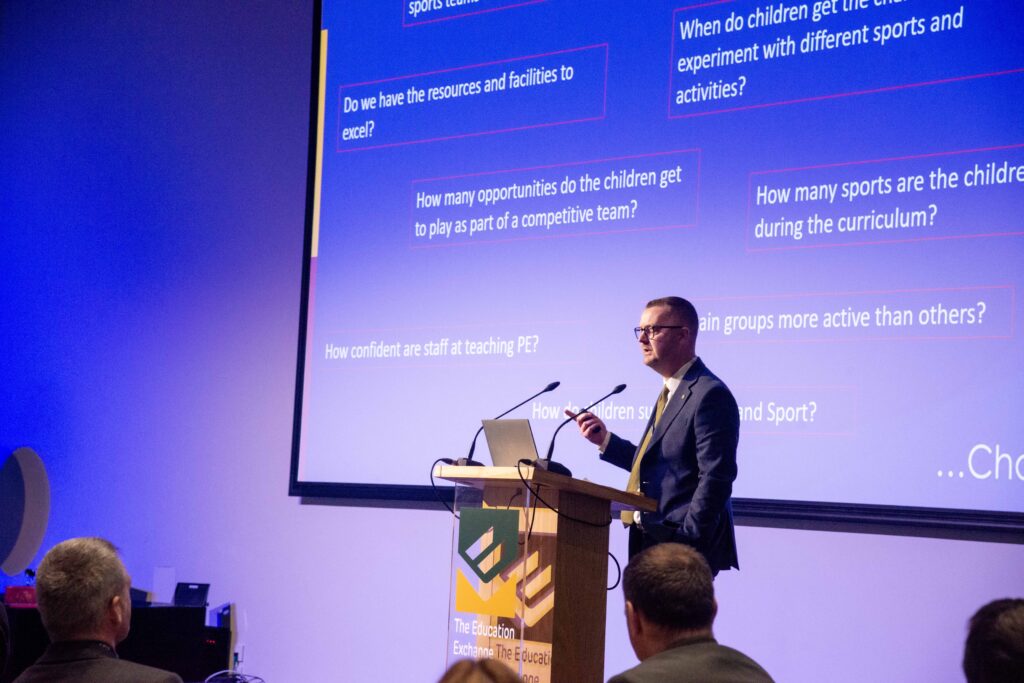
We then got to see a representation of what the pyramid looks like for primary PE
Enjoy – Provide opportunities for all children to enjoy physical activities: playground play-based activities.
Learn – There is a clearly aligned curriculum model for all students to learn basic skills and core foundational knowledge of key sports; ensuring they are ready for their next steps.
Compete – Pupils can complete and are supported through a tiered competition structure where adaptions are implemented enabling all to succeed.
Represent – Enable pupils to represent their academy and Trust beyond internal competitions locally, regionally and nationally regardless of their background or financial means.
Excel – Our structures and links to professional clubs and Governing bodies support our most talented individuals and teams to perform on a national and international stage.
Between Sessions
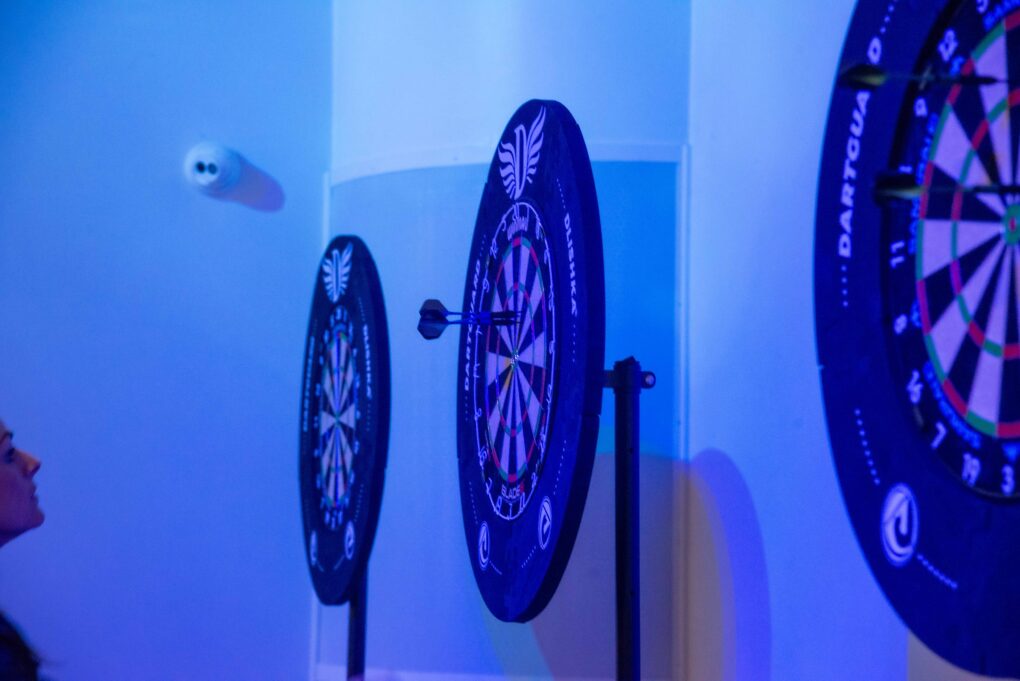
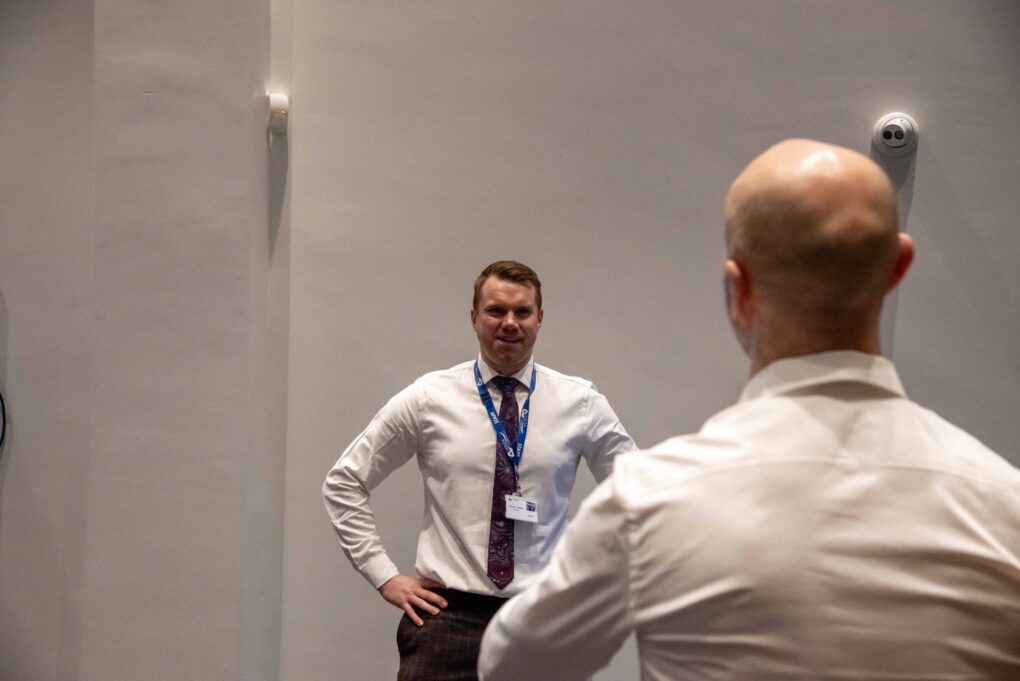
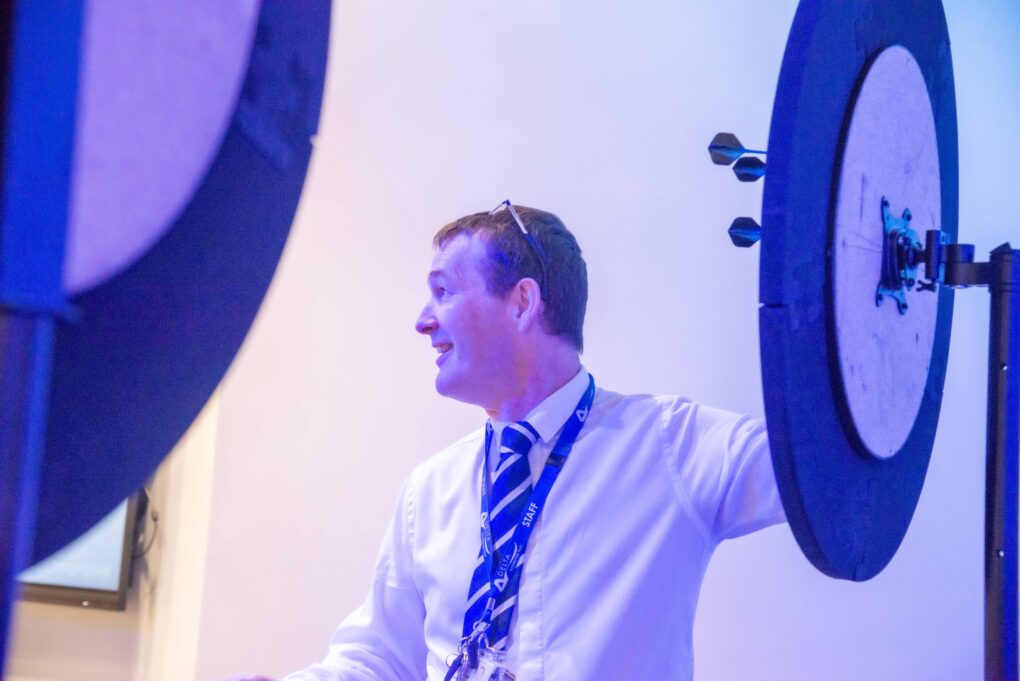
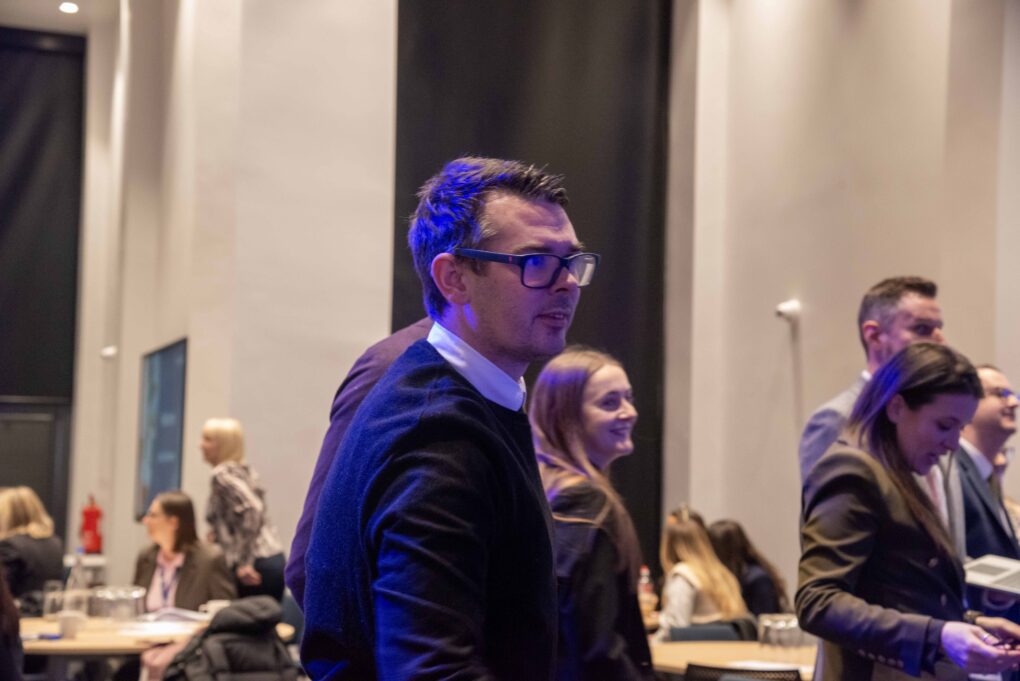
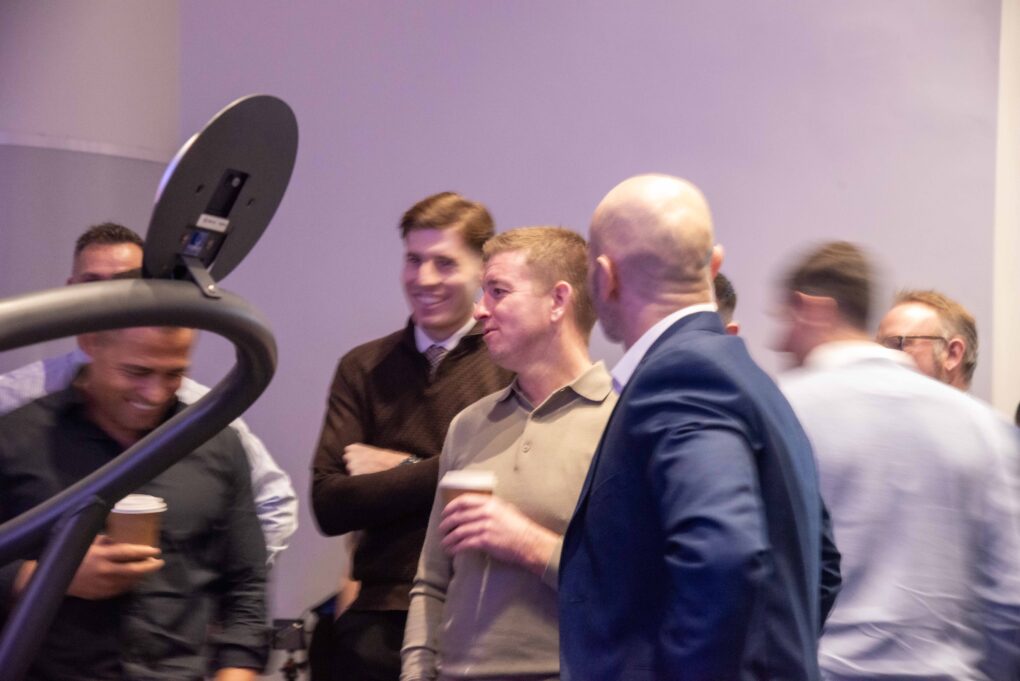
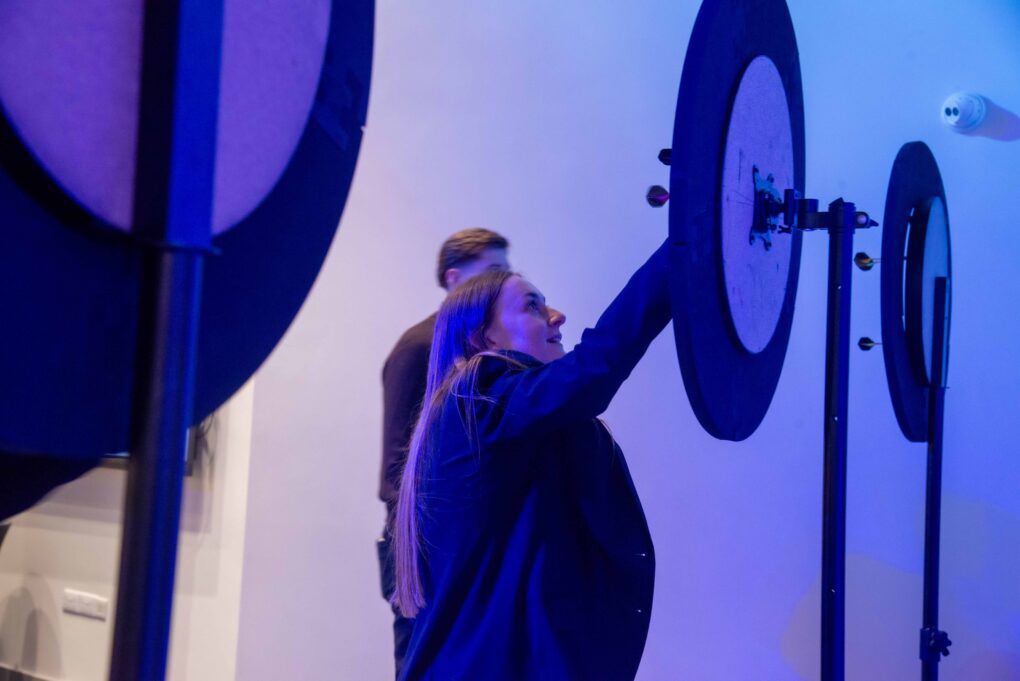
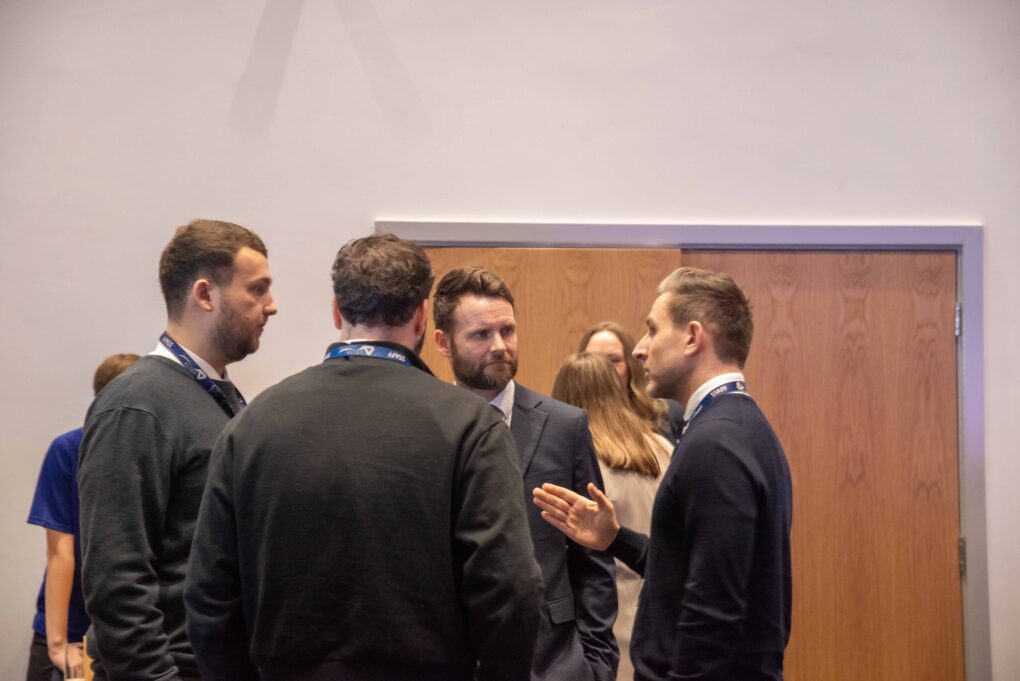






During the comfort breaks, and lunch, staff were encouraged to take part in different activities scattered around the auditorium, creating networking opportunities whilst encouraging participation and enjoyment. Colleagues got involved in competitions, even competing against world cup champion with the successor was revealed in the afternoon. They also had the opportunity to speak with Anthony about the different equipment our pupils/ student can use through TFC which included demos from a group of students from Rossington All Saints Academy followed by the opportunity to try some of the equipment out for themselves.
Movement IQ – Anthony Browne, CEO, TFC
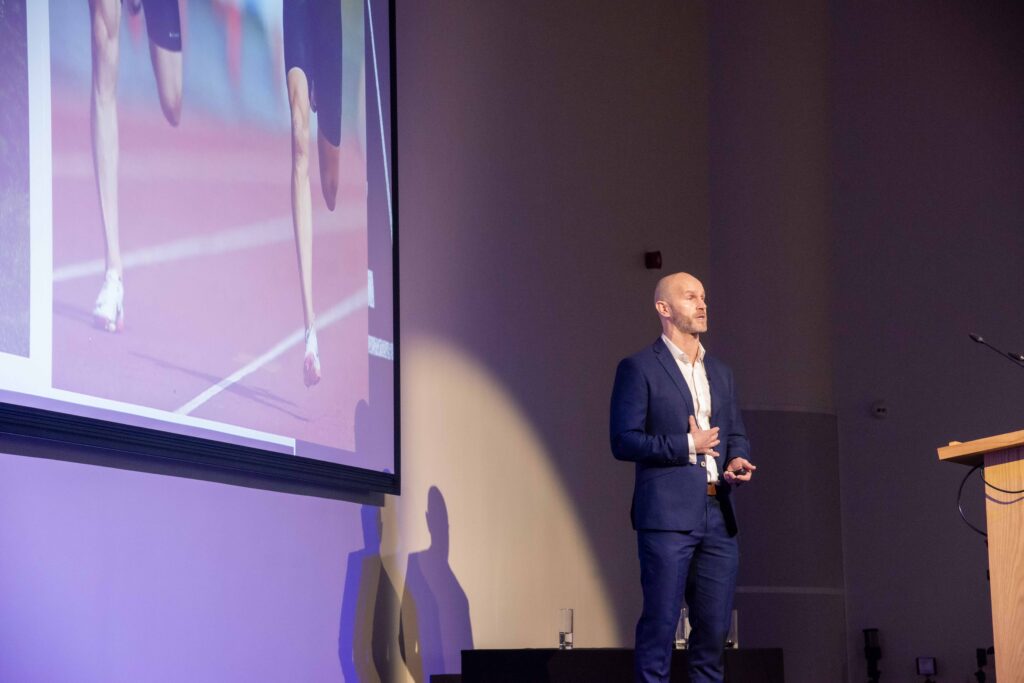
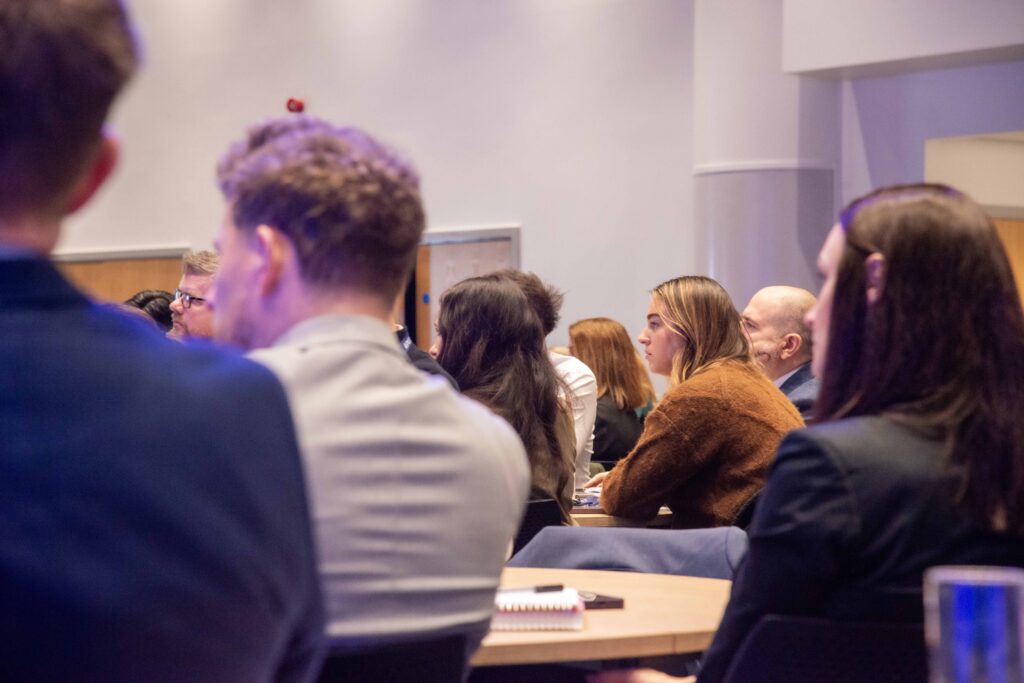
Anthony Browne’s ‘Movement IQ’ informed colleagues about the opportunities for our pupils/students through our partnership with TFC. He talked about his background and upbringing, how he dreamed up TFC whilst also working in the Fire Brigade. Since then he has gone on to gain clients from professional/ semi-professional sports providing breakthrough athlete development.
Anthony walked us through the Delta Athlete Performance Pathway and what that will look like for our pupils/students, in particular how it will:
- Engage young people in sport through integrating our ‘move the mind to move the body’ culture and approach,
- Create high movement IQ to develop a profound improvement in physical/ movement health, and
- Identify raw potential quickly through observation, interaction and testing.
The pathway will include a range of move sessions including:
- Movement IQ: Understanding how we move
- Observation: How they observe and interpret movement
- Velocity: The roles of speed KPI’S in performance
- Exploration: Growing and learning through movement
Anthony walked us through different ‘Nurture’ and ‘Develop’ sessions that seamlessly incorporate inclusivity amongst a variety of skillsets in Pupils/ students. Allowing them to compete with people on the same level as them.
We gained a flavour of what we can expect throughout the partnership:
- Competing in accredited external competitions
- Utilising their club gold standard status
- Developing England Athletes
- Support for Football and Rugby
- Developing a Delta Elite Athlete Team
- Experience the Delta Journey to the sporting elite big leagues.
Our Partnership with TFC
Inclusion in Practice – Anna Heaton (Executive Principal), John Connell (Vice Principal), Johnny Hodgson (Principal)
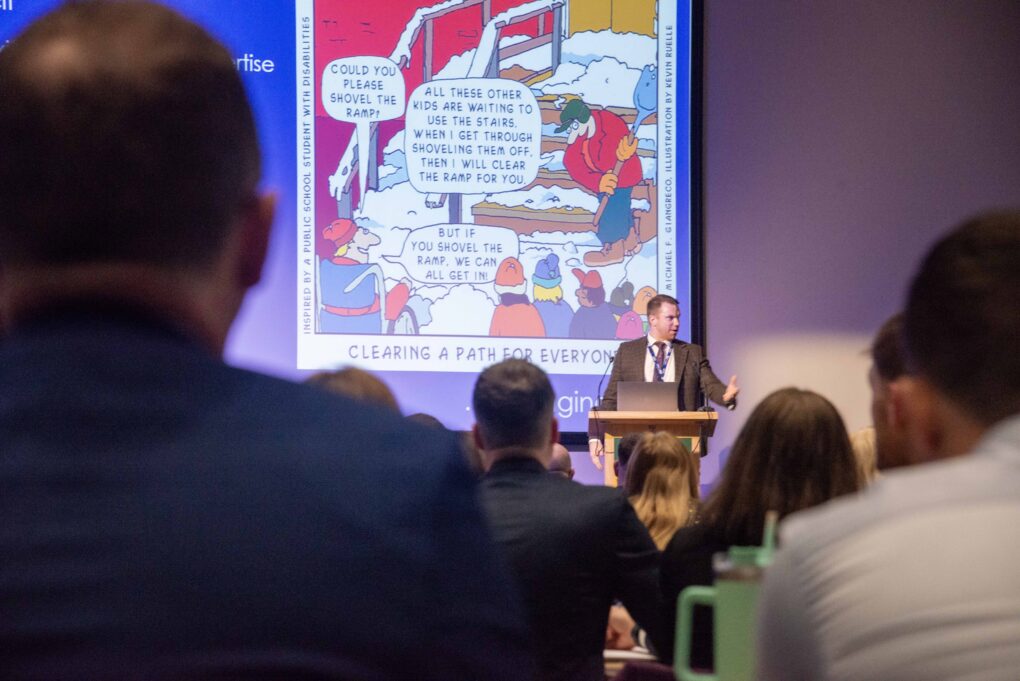

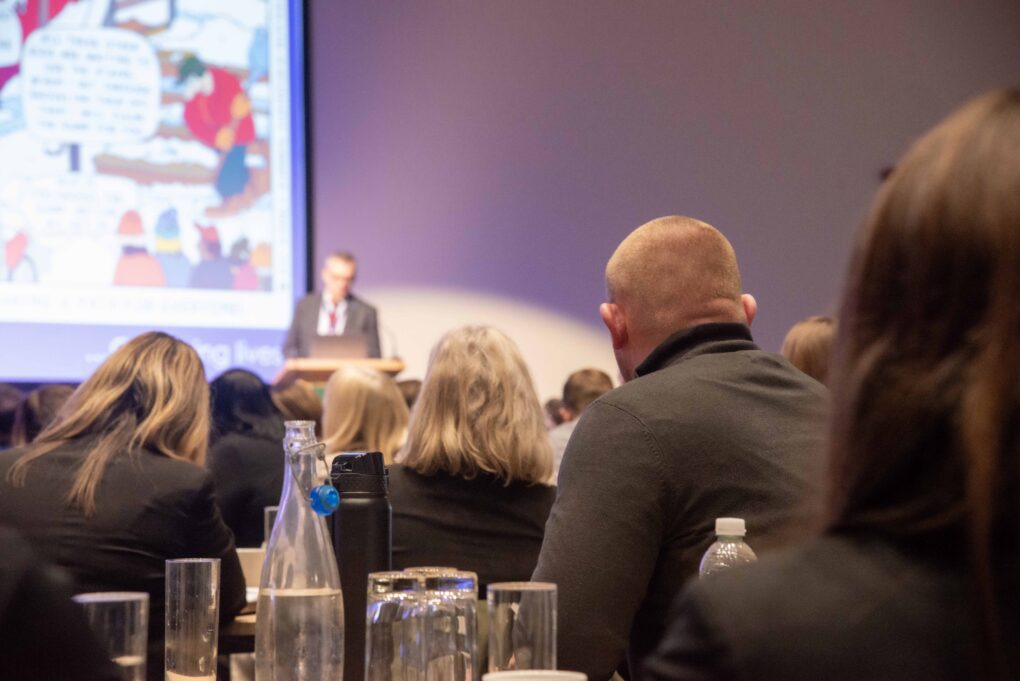
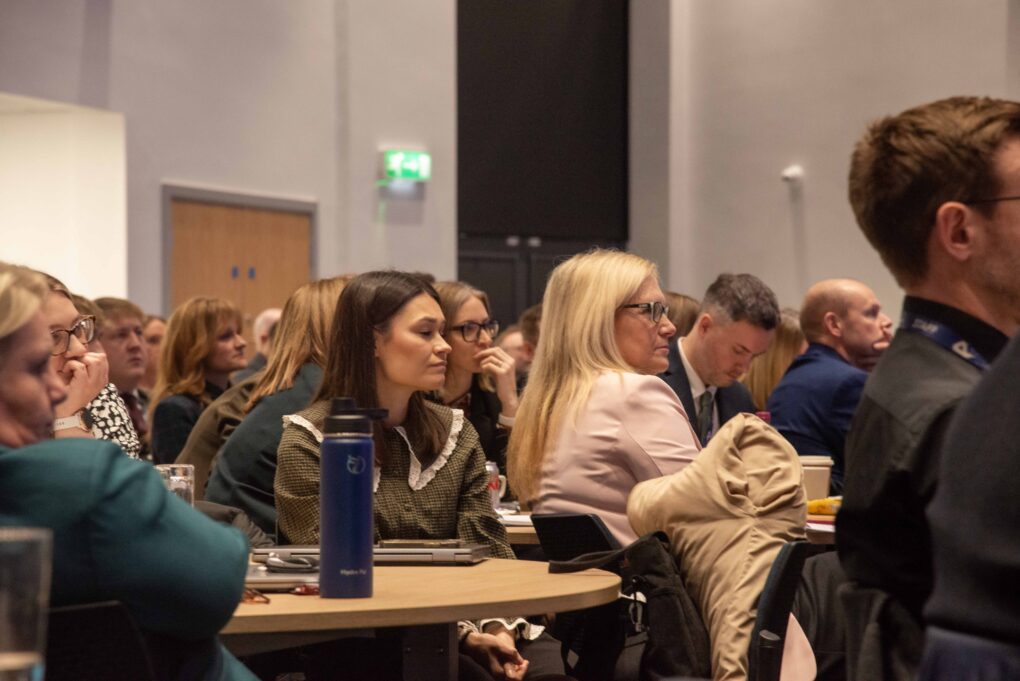



In this session, Anna, John and Johnny asked teachers to think about how we can improve our curriculum and enrichment offer so we include more and exclude less in PE, how we ensure pupils of all abilities can participate and compete, how we ensure we recognise the achievements of pupils at all lessons and how we instil in our pupils a life-long love of sport.
Article 23, United Nations Convention on the Rights of the Child“A child with a disability has the right to live a full and decent life with dignity and, as far as possible, independence and to play an active part in the community”.
We talked about who is affected by the need for more inclusion in sports, such as those with physical disabilities, identifies learning disabilities and even those without a formally identified condition.
The session closed off with some questions to take away:
- How do we encourage the next generation of paralympians?
- How do we move away from officiating to fully participating?
- How do we create genuine opportunities to recognise and rewards their success?
Aligning the Curriculum – Chloe Payne, Head of Department
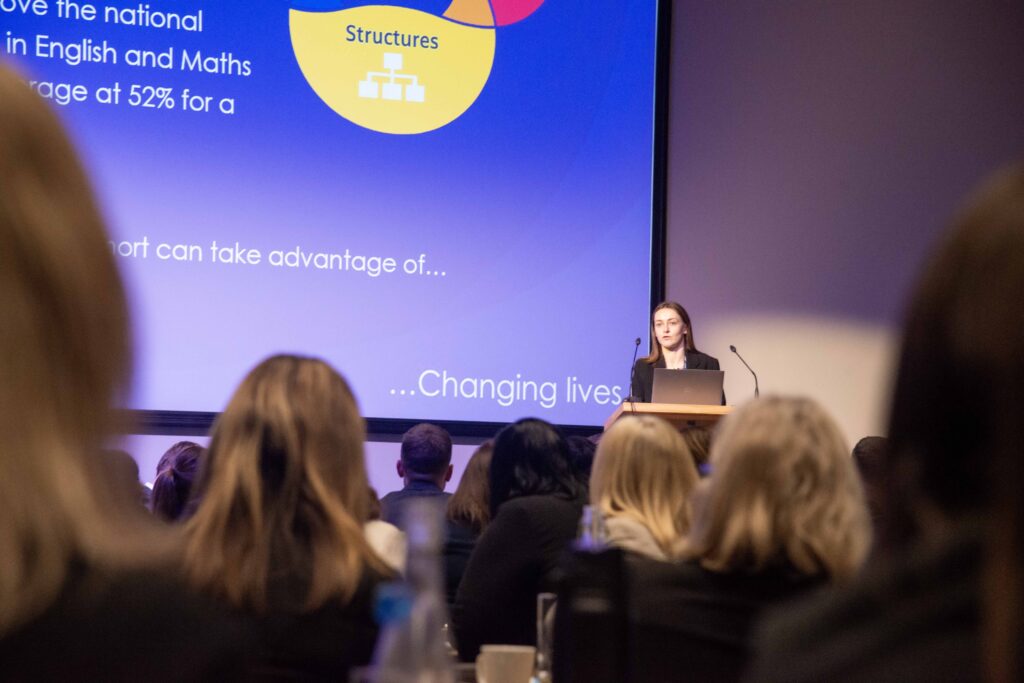
Chloe brought the discussion of aligning the sport curriculum across the Trust to the forefront, utilising and sharing different areas of expertise across our academies to make sure all pupils and students have equal opportunities to take part in a variety of sports.
She talked about how the PE cohort can take advantage of alignment in the curriculum, which has already given us outstanding academic success in other areas of the curriculum.
To paint the picture in a clearer light, Chloe showed some statistics of what sport looks like across the trust today:
- 45 sports are currently taught across the Trust
- Only 20% of the PE Curriculum includes unique sports/activities
- 80% of sports/activities have commonality across several schools
Bringing so much expertise and passion into one space was incredibly powerful. It’s clear the future of sport across Delta is a positive one and the impact of that will be felt most by the students we serve.
Chloe Payne, Head of Department – Manor CroftUltimately aligning the PE curriculum is about us enhancing consistency, progression and opportunity for all students whilst maintaining flexibility for local context and future pathway development.
Sports Poverty – Katy Taylor-Clarke
Katy closed off the day with a session about Sports Poverty.
She started off by explaining what sports poverty looks like and how it can and does impact children not only in Delta, but across the nation, as well as why sport matters not only for your physical health but your mental health.
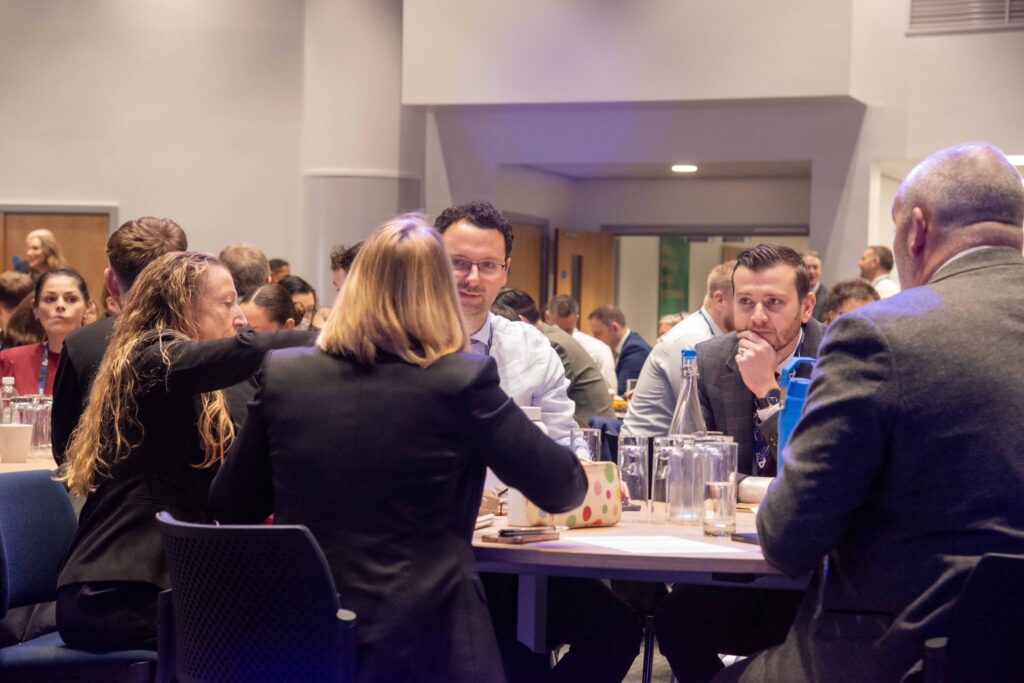
Katy referenced some shocking statistics about the impact of sports poverty and people living in deprived communities, sharing that they less active and are at a higher risk of health problems and social exclusion.
- Only about 47 – 49% of children in England meet the Chief Medical Officer’s recommendation of 60+ minutes of moderate to vigorous physical activity per day.
- Children from less affluent families (approx. 45%) are less likely to be active than those from the most affluent families.
- Girl are less active than boys (45-46% vs 51-52%)
- Black and Asian children have lower activity levels than their peers .
Katy also talked in detail about the financial barriers to sport and how that has been negatively impacted by the cost-of-living crisis. Things such as sports kit, club fees and transport are major reasons why children from poorer families often miss out on sport.
Katy brought her session full circle, linking sporting poverty back to our vision to ‘disrupt the system’ by breaking the barriers so that everyone has equal opportunities
We are committed to developing an exceptional and inclusive sporting offer.
Conclusion
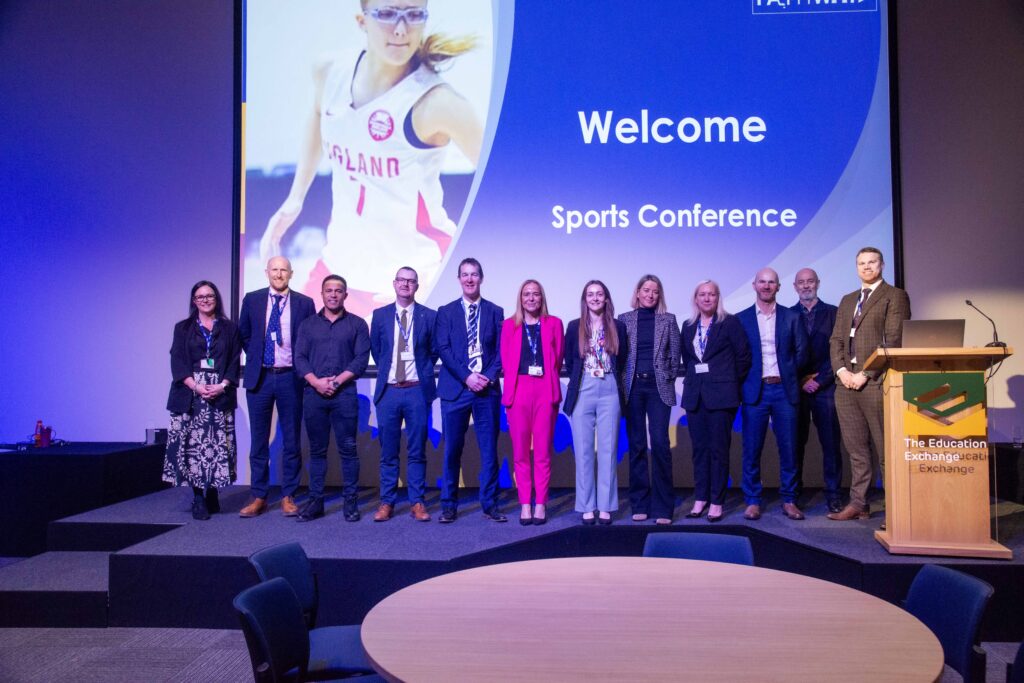
Left to Right: Trudi Bartle (Deputy CEO), Andy Barnett (CEO), Jason Robinson OBE (JR Foundation), Tom Herrick (Head of Academy), Richard Brooke (Executive Principal), Katy Taylor-Clarke (Principal), Chloe Payne (Head of PE), Cara (JR Foundation), Anna Heaton (Executive Principal), Anthony Browne (CEO, TFC), Joe Lydon (APEX), Johnny Hodgson (Principal)
This conference brought enlightenment and inspiration to all those who attended. Everyone in the room was filled with ideas by the end of the day about what we can do collectively as a trust to improve the enjoyment and inclusivity of sport for our pupils/students.
A special thank you to all of our external speakers who not only attended the event, but formed a professional partnership and offer continuous support across all academies in the Trust.
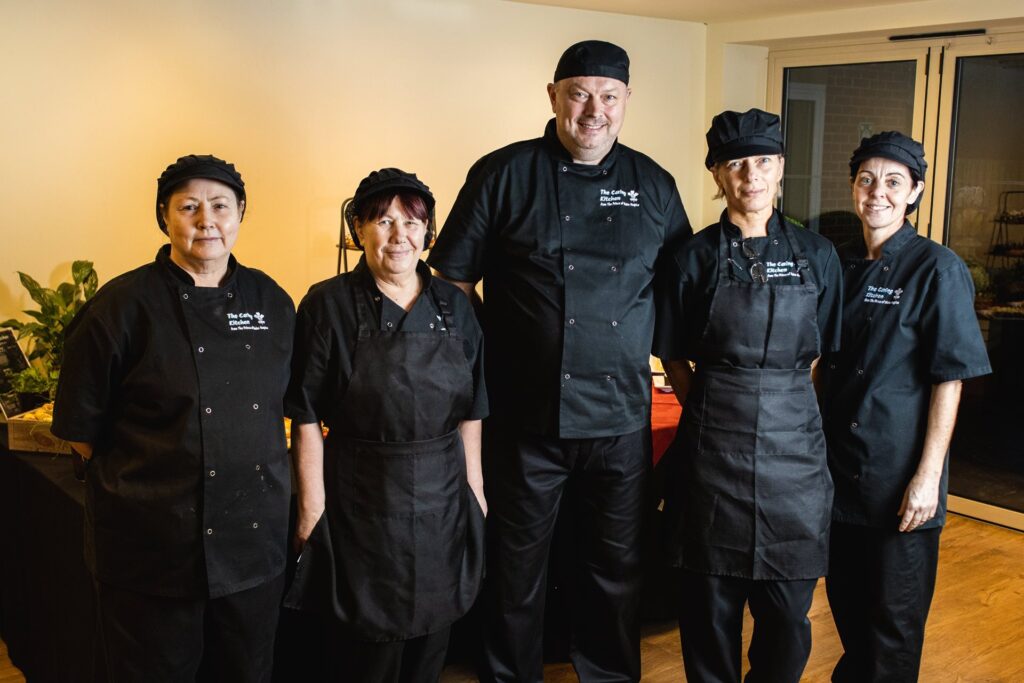
This event was catered by The Caring Kitchen (Prince of Wales Hospice)
The Caring Kitchen, part of The Prince of Wales Hospice and has worked with us for many of our events over the past year.
Any profit made through the catering service goes back into the hospice to help patients and their families.